City Budget Forecast Projects $4 Million Shortfall in FY27
By Ellen Putnam
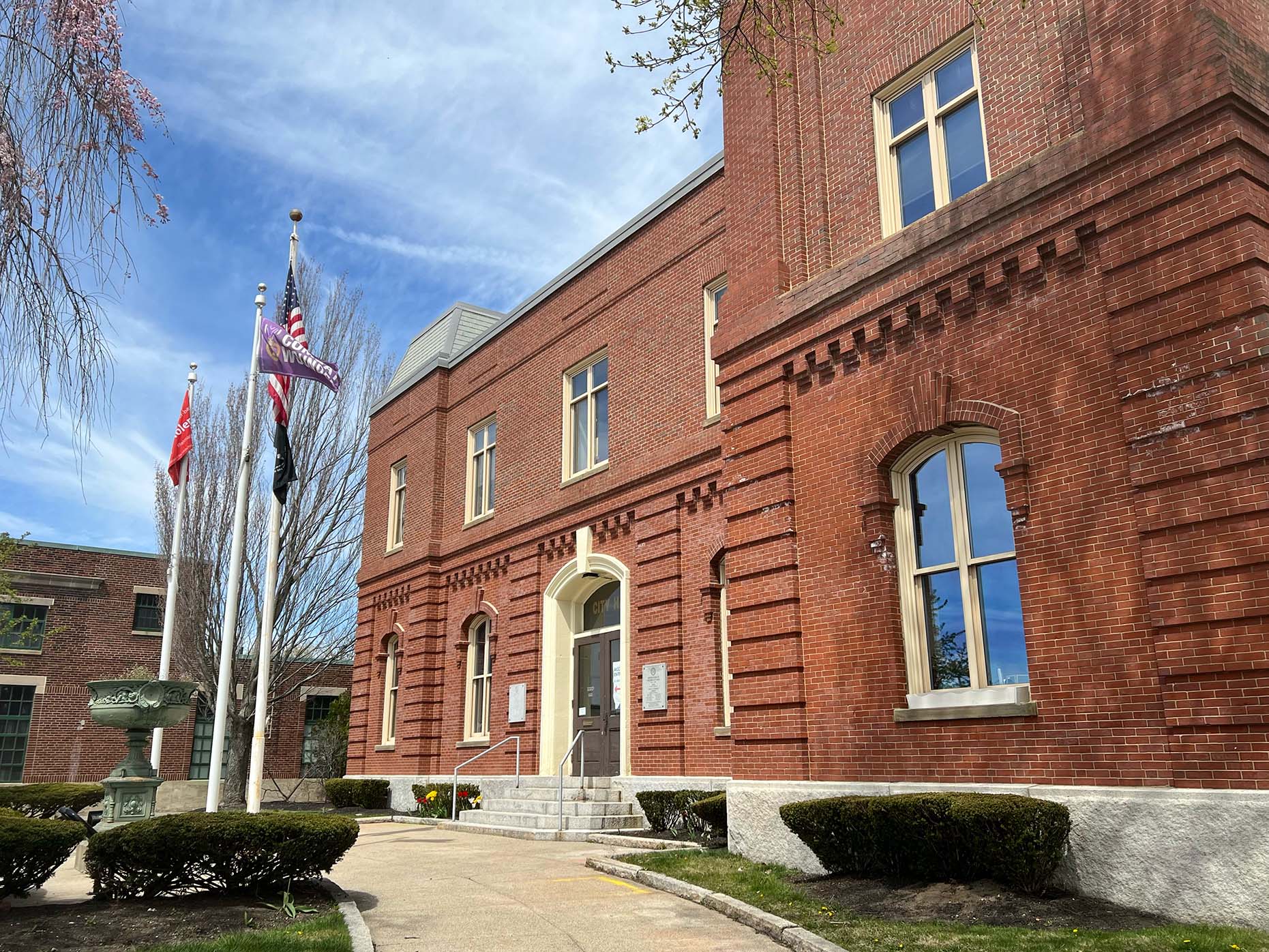
Last week, Chief Financial Officer Kerri Golden provided an update for the City Council on several aspects of the Fiscal Year 2026 (FY26) budget. Her memo addressed several trends that may affect the current year's budget, including the ongoing uncertainty around federal and state funding, how current vacancies are being dealt with, and what the city can expect in terms of revenue and expense streams for the remainder of the year.
The memo also included the most recent projection for the budget deficit for next year (FY27): a $4 million shortfall between expected revenue and expected costs to maintain the current budget, if voters do not approve an override in November. This is due to rising costs in a number of areas that the city has little or no control over, including health insurance, pensions, tuition for students with disabilities, and transportation costs. The city will also be negotiating new contracts with 10 of its 12 employee unions before those contracts expire in June of 2026 - and the projected shortfall does include the anticipated costs of renegotiating those contracts.
This shortfall is actually lower than the deficits the city has seen over the past two years - $6.7 million in FY25 and $6.3 million in FY26 - but contract negotiations could easily increase this projection between now and next spring.
In order to better understand what the projected $4 million deficit means in real terms, we created an interactive budget tool so readers can explore the budget on their own.
Introduction to The Interactive Budget Tool
The figures in this tool all come directly from the FY26 budget documents that have been provided by the city, and you can find this information in more depth here:
- FY26 Operating Budget
- FY26 Salaries
- FY26 Melrose Public Schools Budget (click through the tabs at the bottom to see line items for each department)
The information provided here is from this year's budget (FY26), so while it offers a rough estimate, it won't map perfectly onto what the FY27 budget will look like. You can expect the salaries shown here to increase somewhere around 3%, and some other costs - such as employee benefits, out-of-district tuition, and pension contributions - to increase at a higher rate heading into FY27. So this means that individual items are likely to provide more savings than will be shown here, but other costs will be rising as well.
(This listing is also not perfectly up-to-date for FY26: there have been a few staffing changes since the budget was approved that are not reflected here, although most of those changes had minimal budget impact.)
We focused mostly on salaries here, since those make up the largest part of the budget that the city has control over. We combined most other budget items into an "Other" category for each department.
Most salaries for city employees (City Hall workers, teachers, firefighters, police officers, DPW workers, etc) are set by either union contracts or individual contracts. So while the city determines how many people it employs, in general, it doesn't have much control over their salaries when it is not renegotiating their contracts.
There are some costs that the city is legally and contractually obligated to pay, and these are not clickable in this budget tool. Others the city is required to pay, but there may be more leeway, so those are clickable in this tool. For example, the city's Inspectional Services department itself isn't legally mandated, but its functions and responsibilities are, and the department head has stated that he doesn't believe that his department can sustain much more by way of cuts before it is no longer able to perform the functions it is required to under state law.
We have left public safety - the police and fire departments - clickable in this tool, but it's important to note that they have minium staffing requirements for each shift. This means that, if there are not enough officers available to cover a shift, other officers will be held over into the next shift and paid more in overtime - so reductions in force in the public safety departments are unlikely to result in cost savings.
Often the costs that are listed under "Other" are for items that a department needs in order to remain functional - training for staff to maintain professional licensure, supplies and postage to mail bills and notices, software licenses for city computers, safety equipment for police officers and firefighters.
Some costs in the budget affect others. For example, when an employee is laid off, the Employee Benefits line will decrease, but the city's Unemployment obligation will increase. We also tried to show where cuts would also cause a drop in revenue, such as if Memorial Hall and its revenue streams were cut.
We've listed FTEs here because not all city employees work full-time. 1.0 FTE (full-time equivalency) reflects an employee who is working full-time and is compensated for that. Fractions reflect employees who are either working part-time or who might be working part-time in two different departments. For example, some of the elementary schools have a single person who serves as both the Assistant Principal and the Special Education Coordinator, so you will see 0.5 FTE in each of those roles. In other cases, you will see specialists - art or music teachers, for example - who might work 0.2 FTE at one school and 0.8 FTE at another. (Sometimes you will see an FTE figure that is greater than 1.0 - that reflects more than one individual listed on the same budget line.)
To use the tool, click the plus sign (+) next to each budget category and department to expand. Then click the checkbox next to clickable budget items to remove them from the budget. You can see how much you've cut from the budget at the bottom of the screen, and you can click 'See List of Cuts' to see everything you've cut so far.
We hope this is a helpful tool for understanding the city's budget!