Retiring State Senator Jason Lewis On This Year’s Ballot Questions
By Ellen Putnam
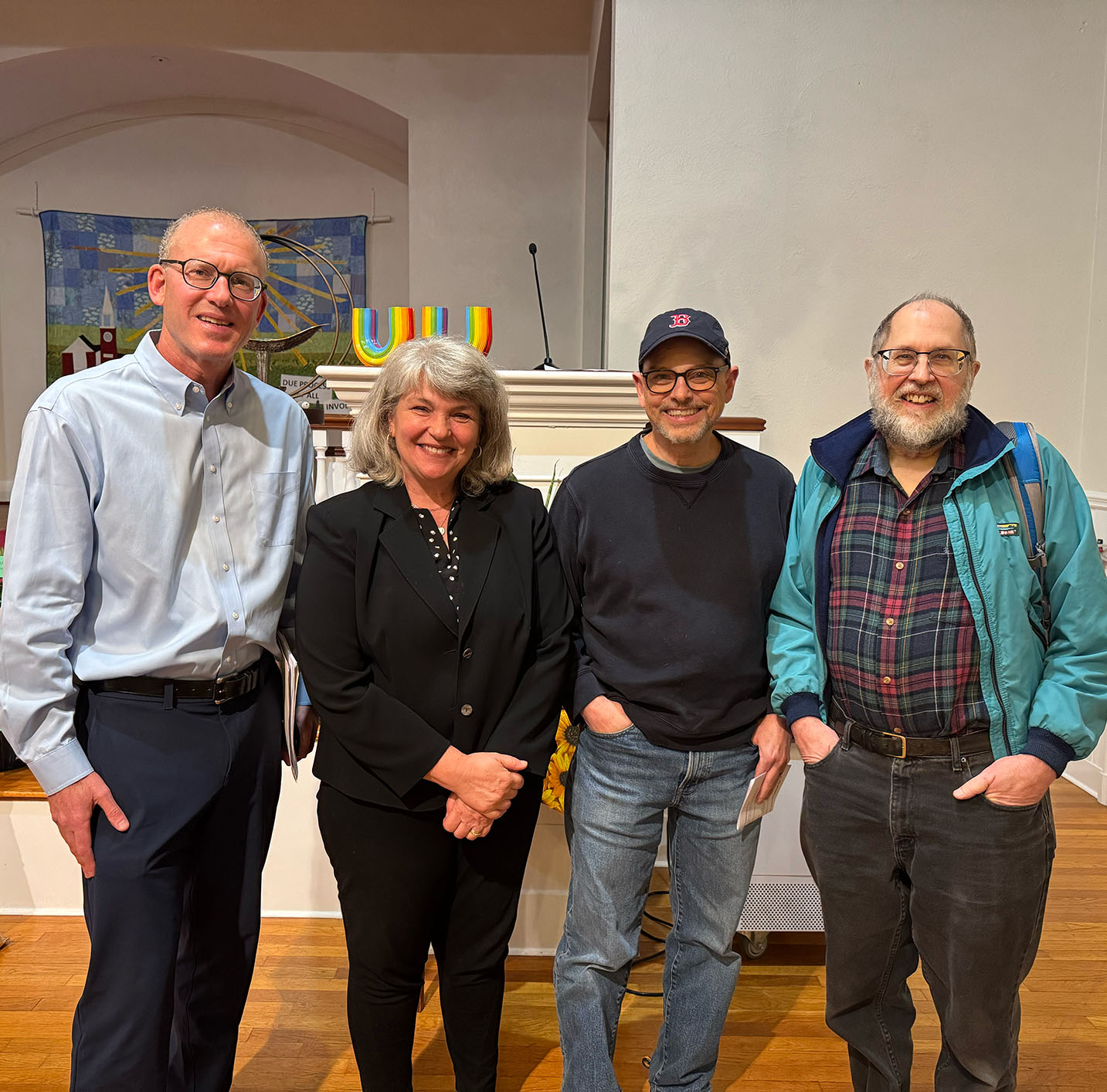
Senator Lewis, left, with Rev. Dr. Susanne Intriligator of MUUC and attendees from this week's event
This week, the Melrose Unitarian Universalist Church’s Thoughtful Thursday series featured State Senator Jason Lewis, who has represented Melrose since 2014 and is retiring at the end of this term. Senator Lewis spoke, in large part, about the nine ballot questions that will appear on this year’s ballot.
Reflecting on his decision to retire, Lewis said, “I don’t believe in term limits, but I also don’t believe in lifetime tenure. I think it’s healthy for the Democratic Party to have new blood - younger people stepping in and running for office, more diverse voices.”
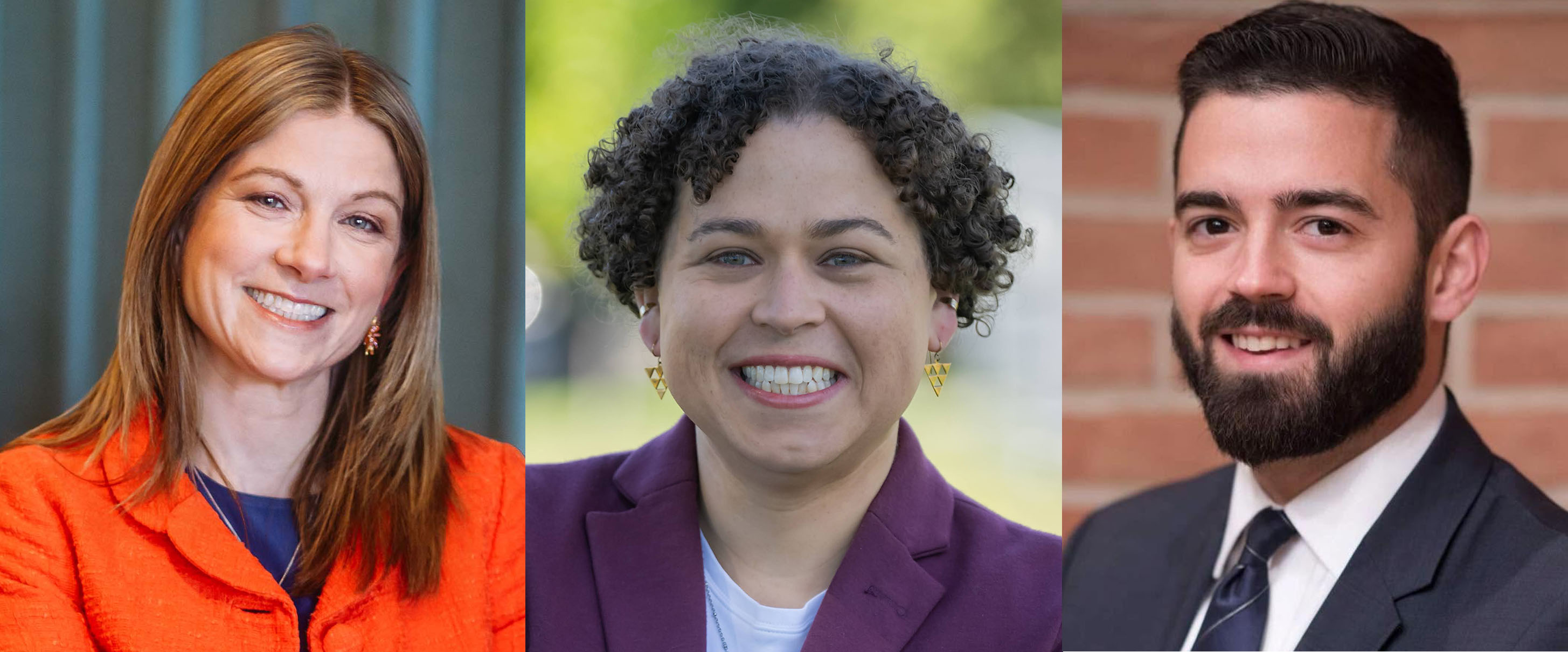
Lewis will be replaced by Melrose’s current state representative, Kate Lipper-Garabedian, who won the Democratic primary election in September. She will be unopposed in the general election, with no Republican or unenrolled candidates running. Similarly, Lipper-Garabedian will be replaced by former Melrose City Council President Leila Migliorelli, who won the Democratic primary and will be unopposed in the general election.
“I’m very excited that Kate will be our new state senator,” Lewis said. “I was pleased to endorse her, and I think enormously highly of her. You also have a wonderful new state representative. You’ll be in very good hands.” Lewis also noted that he plans to stay involved after his term ends in January, including with the local nonprofits he supported while in office.
Lewis went on to talk about the nine ballot questions voters will see in the upcoming general election, which he noted is the largest number of ballot questions Massachusetts has seen in decades.
“The ballot questions are not determined by the legislators or the governor,” he reflected, “It’s really a process that is left up to the people of Massachusetts, as laid out in our state constitution - which is the oldest written constitution still used anywhere in the world today. Our constitution lays out the right of people to petition and get questions on the ballot. There is a lengthy, rigorous process that proponents need to go through. And if voters approve a question, it has the same force of law as a bill that has been passed by the legislature and signed by the governor.”
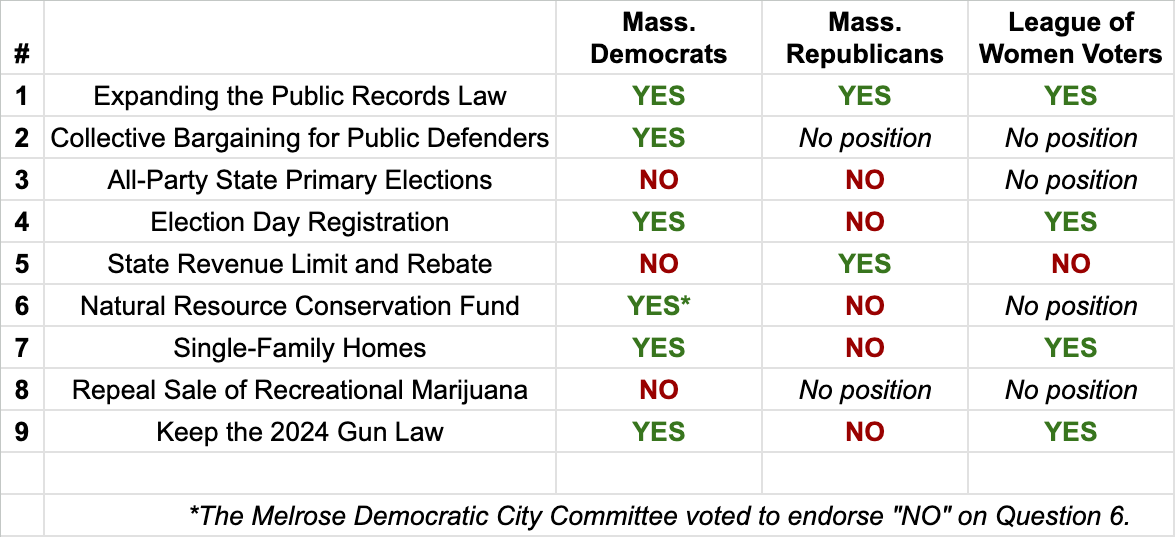
Summary of selected groups’ ballot question endorsements
As a state legislator, Lewis certainly has his own perspective on each of the ballot questions, which readers may or may not agree with. We summarize his comments here, not to suggest that voters should vote in any particular way, but to provide voters with more information as they consider the ballot questions and offer some 'insider' insight from a longtime legislator who is not running for reelection.
In addition to the ballot question guide published by the Secretary of State, which explains each question and provides a brief statement supporting and opposing each, there are a number of excellent, nonpartisan resources available, including the Tufts University Center for State Policy Analysis and CommonWealth Beacon’s Ballot Question Guide. The Boston Globe also provides some coverage of the ballot questions, and their editorial board often endorses questions closer to Election Day. The crowd-sourced Ballotpedia is a good place to find a breakdown of who supports and opposes each measure, who is funding which questions, and links to more commentary for and against.
Discussion of Ballot Questions: Click On Each Question Below For More Information and Senator Lewis' Comments On Each
QUESTION 1 - Make records held by the state legislature and the governor's office public records
A YES VOTE would make most records held by the Legislature and the Office of the Governor public records under the Massachusetts Public Records Law.
A NO VOTE would make no change to the Massachusetts Public Records Law.
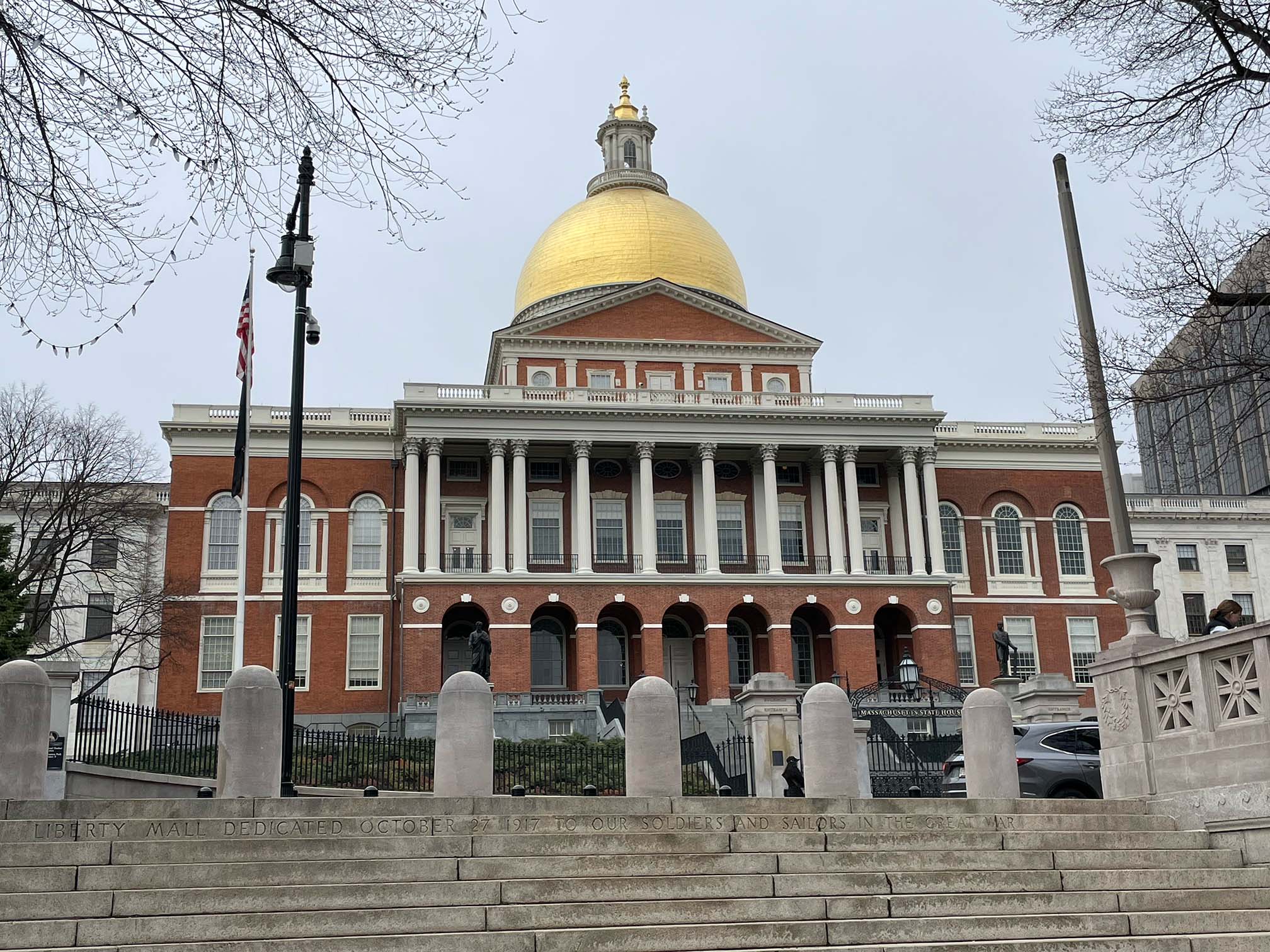
Lewis noted that he has been involved in efforts to update Massachusetts’ public records law throughout his tenure in the state legislature.
“Massachusetts has long had a public records law, just like the federal government and every other state. It’s designed to make sure that what our government is doing is accessible and transparent to members of the public. When our law was written many decades ago, the legislators at the time decided not to make the state legislature or Governor’s Office or judiciary subject to the public records law. I don’t know what the thinking was, but there has been a lot of discussion about it over the years.”
Lewis noted that he led an effort ten years ago to update the public records law, and at the time, the legislature created a commission to explore the issue of whether the legislature, governor’s office, and judiciary should be included in the law, but the commission became deadlocked and never produced a definitive recommendation.
He also noted that many of the legislature’s records are currently available to the public, including the status of bills, votes that are taken, and recordings of public committee hearings. But, he noted as an example, unlike with other state agencies, legislators’ emails with constituents, advocates, and other legislators are not subject to public records requests. During discussion of expanding the public records law, Lewis noted that legislators raised concerns about protecting constituents’ privacy and avoiding a chilling effect on debate.
“The leaders of the House and the Senate are aware that this ballot question is very likely to pass,” he went on. “Both the House and the Senate did debate and pass versions of bills that would basically do what this question does, but in a more defined way, listing precisely which records would be available and keeping constituent emails out of the public record. Quite likely, the House and Senate will reach agreement on this bill before the end of the year, so we could be in a situation where the ballot question passes and the House and Senate pass their own bill, and it might end up in the courts to figure out how it all gets sorted out. But very likely, one way or another, the goal will be achieved.”
The Tufts Center for State Policy Analysis concluded on Question 1:
- Massachusetts is one of just two states where the Legislature and the Governor's office are considered exempt from public records law. But there are few—if any—legislatures around the country that freely and broadly comply with records requests.
- Question 1 would modestly improve people's ability to obtain information from the Legislature and the Governor's office — particularly when seeking financial and administrative details such as contracts with vendors, spending records, and settlement agreements.
- By contrast, requests relating to constituent communications or policy-making (including conversations with lobbyists) would overwhelmingly be blocked. Question 1 has explicit exemptions to safeguard this material. More broadly, any such requests would face privacy checks already built into the public records law — as well as legal and constitutional limitations.
- The Massachusetts Legislature is currently working on a bill that would explicitly supersede this ballot question, opening the Governor's office to requests while codifying a narrower approach for the Legislature. If that passes, Question 1 might be immaterial.
QUESTION 2 - Permit employees of the Committee for Public Counsel Services (CPCS) to participate in collective bargaining practices
A YES VOTE would specify that Committee for Public Counsel Services employees may form a union to collectively bargain with their employer.
A NO VOTE would make no change to the law governing labor relations for Committee for Public Counsel Service employees.
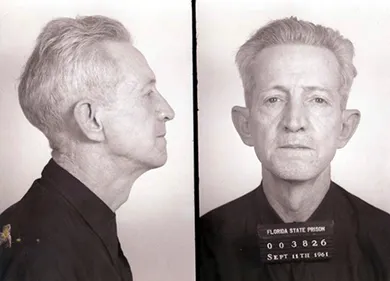
Clarence Earl Gideon, plaintiff in Gideon v. Wainwright, the 1963 Supreme Court case that guaranteed the right to counsel to all indigent criminal defendants
Photo Credit: State Archives of Florida.
The Committee for Public Counsel Services (CPCS) is the state agency that provides legal representation for defendants in criminal cases who cannot afford their own attorney - a right guaranteed them by the U.S. Constitution.
“This is my bill!” Lewis said of Question 2. “I’ve filed this bill for many sessions, to enable the public defenders to be able to form a union.”
“We used to have many more unions in the private sector,” he noted, “but the public sector still has a high rate of unionization. When CPCS was created decades ago, I don’t know why, but they were not explicitly authorized to form a union as other public employees are. It may have been inadvertent - legislators sometimes do make mistakes - or it might have been intentional, we’re not sure.”
“Attorneys in CPCS are underpaid relative to their peers,” Lewis said, “and we believe that if they are allowed to form a union, they would likely be able to bargain for better pay and working conditions.”
The Tufts Center for State Policy Analysis concluded on Question 2:
- Several other states already allow state-employed public defenders to form unions. And the path to unionization in Question 2 matches approaches that have successfully allowed other Massachusetts state workers to unionize.
- Unionization creates real trade-offs. For instance, any pay increase won at the bargaining table would put pressure on CPCS's budget, likely requiring it to employ fewer workers or draw additional dollars from state coffers.
- Question 2 creates a multi-part bargaining structure. Most state employees negotiate directly with the Governor's representatives, whereas CPCS workers would first negotiate with agency management — and then require sign-off from the Governor on funding-related parts of the deal. This setup could produce delays and tension.
- Question 2 is separate from the 2025 pay crisis and work stoppage among private-sector indigent defense attorneys in Massachusetts, as only state employees would be eligible for this union. However, the demands of a CPCS union could shape the state's future reliance on private-sector lawyers.
QUESTION 3 - Eliminate political party primaries for state elections and create a single primary where candidates are listed regardless of their political party
A YES VOTE would eliminate separate party primaries for state elections and require a single primary in which all candidates appear on one ballot, voters could vote for any candidate, and the top two candidates would advance to the general election.
A NO VOTE would make no change to the laws governing primary elections.
Question 3 would replace partisan state primary elections with a single nonpartisan “jungle primary” election, where the top two vote-getters, regardless of party affiliation, would appear on the ballot in the general election. This should not be confused with ranked choice voting, which was a statewide ballot question in Massachusetts in 2020 and was rejected by voters, 55% to 45%.
“This is a complicated and interesting question,” Lewis said of Question 3, “and a lot of people are struggling with it.”
“Some arguments for this question,” he went on, “are that it could lead to more competitive elections, and that more people typically vote in the general election than the primary, so elections would be decided by a larger number of people.”
“For example, in the election to succeed me,” Lewis continued, “there were three Democrats running and no Republicans, so the decision about who your next state senator would be was made in the Democratic primary by a relatively small number of voters - the people who showed up for the primary election and took a Democratic ballot. You’re not getting as broad a representation of voters making the decisions.”
“On the other hand,” he said, “it diminishes the role that the state parties play. And some people argue that it favors people who have more money or can self-fund their campaigns, and super PACs can have more of an impact. I’m not sure that the research bears that out, but there are certainly concerns.”
California and Washington both have this primary system, and Lewis noted, “we can’t really draw any definitive conclusions from them. It hasn’t obviously improved the diversity of candidates or led to other benefits.”
“Our political leaders are split on this question,” Lewis went on. “Former governors Charlie Baker and Deval Patrick both came out together in support of it. I worked with both of them and respect them a lot, so I found that interesting. Many other elected officials, both Democrats and Republicans, don’t support the question. So I encourage you to read more about it and make up your own mind.”
The Tufts Center for State Policy Analysis concluded on Question 3:
- Question 3 would change the competitive dynamics of Massachusetts elections. Election day would feature more high-profile campaigns between the two most appealing candidates, and more voters would have a say, since more people vote in the general election.
- Two states already use versions of the top-two primary system envisioned in Question 3. Limited evidence suggests this approach may modestly reduce polarization and slightly increase primary election turnout—though it also seems to attract more money into political races.
- The power of state political parties would greatly diminish. While Question 3 would still allow party endorsements to appear on Massachusetts primary ballots, the parties would no longer set nomination rules or control the primary process.
- Whether Question 3 would increase the number of competitive races is unclear. Right now, many Massachusetts candidates run unopposed, particularly in campaigns for the state legislature.
- These changes would take effect in 2028 and would not apply to presidential campaigns or municipal elections.
QUESTION 4 - Allow same-day voter registration
A YES VOTE would permit eligible citizens to register to vote or to update their voter registration address at their polling place on Election Day.
A NO VOTE would make no change to the laws governing voter registration.
“This idea has been around for a while,” Lewis said, “to try to enfranchise more eligible voters. The Senate has voted for it several times, but it has never made it through the state legislature.”
In Massachusetts, eligible voters must register with their current address at least 10 days before Election Day (October 24th this year). 22 states allow voters to register in person on Election Day, including all other New England states (except for Rhode Island).
“Most eligible people are already registered to vote,” Lewis noted, “since people can do it automatically through the RMV. But for some populations, it can still be a challenge - college students, people who move around more frequently. You have to update your registration if you move, and if you don’t remember to register or update your address, you are not eligible to vote, even if you otherwise would be.”
If Question 4 passes, eligible voters could arrive at the polls on Election Day and vote if they can produce paperwork of some kind to prove their address (such as a utility bill or a lease) and sign an affidavit stating that they are a U.S. citizen.
“A lot of places have done it,” Lewis said, “and it’s nothing radical. But it does create extra work for city and town clerks, who have to train their workers to process the registration paperwork. The Association of Town and City Clerks is not crazy about it,” he added, “and they are certainly very busy when it comes to elections. They are thinly staffed like many other municipal offices. And this ballot question does not provide more money for implementation. I would argue that, if this question passes, the legislature should look at what it will cost and send that additional money to cities and towns - but there is no guarantee they would do that.”
The Tufts Center for State Policy Analysis concluded on Question 4:
- Question 4 will make registration easier for movers and busy residents, but the overall impact is likely to be small. Nearly all likely voters in Massachusetts are already registered thanks to a system of automatic registration that signs people up when they interact with the RMV or other state agencies.
- Implementing Question 4 mostly falls to individual cities and towns, which currently handle related tasks like accepting provisional ballots but will need to develop new processes for election-day registration — without any new state money.
- Voting fraud is extremely rare, including in states that already have same-day registration. But Question 4 does make it slightly more complicated to detect and prevent voters from casting ballots at multiple sites.
QUESTION 5 - Change the limit of how much revenue the state can collect in a given year
A YES VOTE would change the limit on state revenue collection, tying it to prior year collections plus average wage and salary growth, and provide for a rebate of revenue exceeding that limit.
A NO VOTE would make no change in the law relative to state revenue collection.
Lewis noted Question 5 is based on a little-known, little-used provision of state law passed by voters in 1986, called Chapter 62f. “The idea behind this law,” Lewis said, “is that, if the state brings in a windfall in tax revenue, way more than what’s expected, then at least some of it should be returned to taxpayers as a refund. A lot of voters liked the sound of that, so they approved it in 1986. In 1987, it triggered a modest refund, and then it lay dormant for decades. Every year, the state did the calculations, and it didn’t meet the criteria, so there was no refund.”
“Then it triggered in 2022, in the middle of the pandemic,” Lewis went on, “As a $3 billion tax refund. It was a shock to everybody.” He noted that the unique conditions of the pandemic, with unemployment insurance payments and federal pandemic relief money led to a sudden increase in state tax collections, which triggered the refund.
Lewis characterized Question 5 as an attempt to reduce taxes in the wake of the passage of the Fair Share Amendment (Millionaire’s Tax) in 2022. “I was proud to be the lead senate sponsor of the Fair Share Amendment,” he said, “and it’s been very successful. We’ve been able to invest the proceeds in some important work. But there were opponents who were pretty upset when it passed, who have been working ever since to find other ways to basically reduce taxes in Massachusetts.”
Question 5 would change the state formula for tax refunds, making them trigger more frequently - perhaps as much as every other year.
Lewis noted that the proponents of Question 5 had also proposed a ballot question that would have reduced the state income tax from 5% to 4%, but the state’s Supreme Judicial Court declared that question ineligible for inclusion on this year’s ballot.
“If you’re someone who doesn’t love taxes and doesn’t think the state government needs as much money, then more tax refunds is something you would like to see happen more often,” Lewis said. “On the other hand, if you support the public services that taxpayer money funds - public schools, Medicaid, the MBTA, public health - then you would probably oppose this question, since more refunds paid out means less money available to fund public services.”
Lewis noted that there could be a number of reasons state revenue might fall, including cuts at the federal level (such as present and planned cuts to Medicaid), decreases in tax revenue, or more tax refunds if Question 5 passes.
“The budget is our most important job as lawmakers,” he said, “and we make these decisions every year - what we’re able to provide based on the funds we have. Public schools, local aid, the MBTA, environmental protection, public safety. And if state revenue decreases, then hard choices have to be made. Unlike the federal government, we have to run a balanced budget.”
He noted that, while Chapter 70 public school funding might not see cuts, the legislature could easily vote to cut local aid which, he pointed out, “is just basically passing the hard choices down to the cities and towns.”
Lewis noted that the House and Senate are currently working on a bill that would create a second test for triggering refunds. This test would look not only at wage and salary growth, but at personal income growth as a whole, which, he argued, “is a larger number that I think is more reflective of the actual growth in our economy compared to tax revenue.” He noted that, while in 1986, wage and salary growth was a decent reflection of economic growth, now investment income and capital gains make up a larger share of the state’s economy.
If this bill passes, Lewis noted, then Question 5 would not be likely to trigger as many refunds.
The Tufts Center for State Policy Analysis concluded on Question 5:
- Question 5 would dramatically increase the frequency and scale of 62F refunds, triggering 2-4 times as many refunds and returning 2-7 times as much money to taxpayers. Taxpayers would receive roughly $200-$250 per year, accounting for both refund and non-refund years.
- By increasing the size and frequency of 62F refunds, the ballot question reduces state revenue as much as an income tax cut of roughly 0.15-0.2 percentage points.
- The idea behind Chapter 62F was to provide refunds when tax collections are unusually strong, but Question 5 doesn't always do that. It has an unusual feedback loop that undermines the link between revenue and refund size, and it provides little protection against refunds when tax receipts are at historically low levels.
- The Massachusetts Legislature is currently working on a bill that would add new 62F refund requirements. If it passes, the impact of Question 5 might be more limited.
QUESTION 6 - Create a fund for state money, titled the Nature for All Fund, that would be used to further efforts of nature conservation
A YES VOTE would create a fund that could be utilized for natural resource conservation that would receive some state taxes collected on the sale and use of sporting goods and recreational vehicles, and the use of golf courses.
A NO VOTE would not create this natural resource conservation fund or change how sales and use taxes are spent.
Lewis noted that Massachusetts currently spends approximately $400 million in each state budget on items that could be categorized as conservation-related. (This includes expenditures on DCR properties statewide, as well as salaries for park rangers, etc.) The fund proposed in Question 6 is likely to add up to approximately $60 to $100 million per year.
“It is unlikely that this question would lead to an actual increase in spending on conservation,” he said. “I think the best way to think of it is that it would create a floor. If a future governor or legislature is really opposed to conservation, or there is a terrible recession and we have to cut state funding, then this would at least maintain that level of spending on conservation. In practice, I don’t think this will change the amount that we spend on conservation. It doesn’t create any new taxes, just diverts some into this trust fund.”
The Tufts Center for State Policy Analysis concluded on Question 6:
- Question 6 doesn't raise any new money. It merely earmarks some existing tax dollars—specifically, sales taxes from sporting goods stores, recreational-vehicle dealers, and golf courses.
- The earmark is relatively small, at roughly $65 million. Currently, the state spends around $400 million each year on recreation and conservation efforts.
- Reaching the state's climate goals may require increased spending on conservation, and the dedicated fund created by Question 6 could enable that.
- Nothing in this ballot question compels lawmakers to increase spending on conservation or recreation by the earmarked amount. They can use the earmarked money to pay for existing programs or divert it for unrelated uses if they choose.
QUESTION 7 - Require cities and towns to allow single-family homes on residentially zoned lots that meet minimum standards of at least 5,000 square feet in area
A YES VOTE would allow single-family homes to be built on lots of 5,000 square feet or more in residential areas, subject to reasonable local regulation of certain aspects of those homes.
A NO VOTE would make no change to the law relative to building single-family homes.
“Question 7 is an interesting one,” Lewis said. “One of our biggest challenges in the Boston area is the high cost of housing, which is pricing young families out and making it difficult for seniors to downsize. And we’re concerned about the effect of high housing costs on our economy, since we rely on talent, and young people often aren’t able to stay here.”
“We’ve been working on this issue in the legislature, trying to find ways to build more housing, and it has bipartisan support. Question 7 proposes another tool in the toolbox to add to our housing stock.”
Lewis noted that Question 7 is likely to mostly impact suburban communities, where minimum lot size for single-family homes is generally larger than 5,000 square feet. The question would override local zoning rules and would require that, in areas that are zoned for residential housing and serviced by municipal water and sewer, property owners may build single-family houses on lots that are 5,000 square feet or larger.
Currently, zoning regulations can vary quite a lot, both among cities and towns and within a particular municipality.
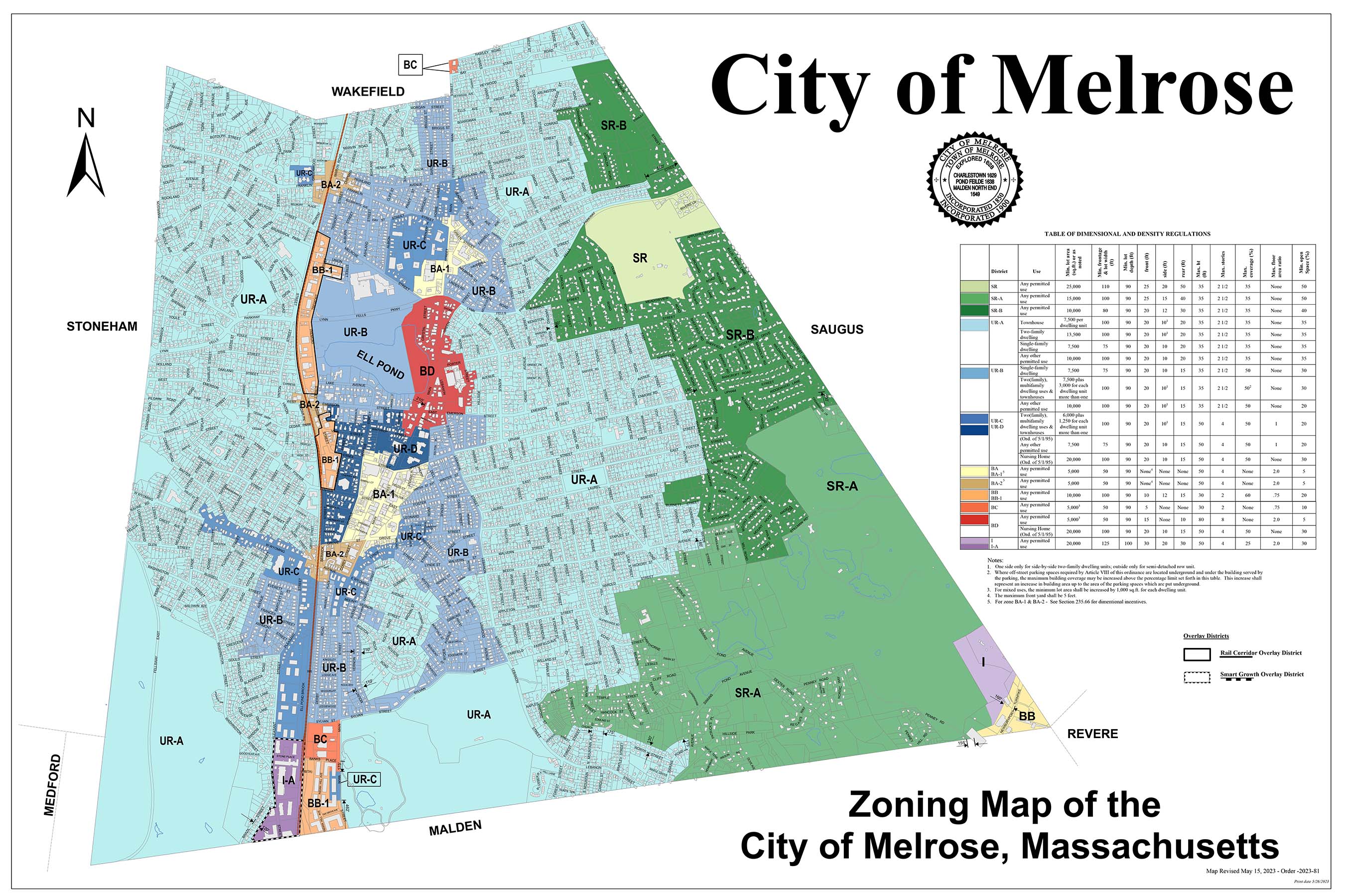
In Melrose, the zones that cover most of the west side of town and approximately half of the east side have minimum lot sizes of 7,500 square feet for a single-family home. The areas on the east side near Mount Hood and Swains Pond have higher minimum lot sizes of 10,000 to 15,000 square feet.
But our zoning regulations do not fully reflect the housing that actually exists in Melrose, most of which was constructed before the current zoning ordinance was put into place in 1972. A brief search of property records indicates that over half of Melrose’s lots are smaller than 7,500 square feet. (Every lot on our street, for instance, falls between 5,000 square feet and 7,500 square feet. You can search for your own street and compare lot sizes using this tool.) An effort is currently underway within the city’s Office of Planning and Community Development, following zoning recodification two years ago, to update the zoning code to better reflect the actual patterns of development in Melrose. This will very likely lead to reduced minimum lot sizes that would reflect our built environment - meaning that Question 7 is likely to have minimal, if any, impact on Melrose.
Question 7 could have a more significant impact on some of our neighboring communities, however. While some of our neighbors, like Medford, Stoneham, and Wakefield have minimum lot sizes similar to ours, in the 5,000 to 10,000 square foot range, other nearby towns, including Reading, Saugus, Winchester, Lexington, and Lynnfield have minimum lot sizes that can range between 15,000 and 50,000 or more square feet. Similar to other zoning changes like the MBTA Communities Act, Question 7 would not actually create new housing, but it would loosen restrictions on what property owners can do with their land, potentially allowing for the creation of new housing if property owners choose to build it.
“We would likely see the construction of mostly smaller single-family homes over time,” Lewis said, “and some larger lots would be subdivided. The question really comes down to how you feel about building more housing versus concerns about increased density.”
The Tufts Center for State Policy Analysis concluded on Question 7:
- Question 7 would generate roughly 750 new homes per year. That is our central estimate, but the analysis involves a lot of uncertainty, and our modeling suggests a plausible range from 350 to 1,200 per year.
- New construction at this scale would have a real but modest impact on overall production, increasing single-family home building by roughly 15 percent and overall housing development by roughly 5 percent.
- Cities and towns would lose some real authority over roughly 850,000 parcels whose construction rules would now be governed by Question 7. However, most of these parcels already allow single-family homes or additional development, leaving roughly 200,000 whose status would be changed if the initiative passes.
- Suburbs would see the biggest increase in home building under Question 7, especially Boston-area suburbs that already have broad sewer infrastructure and lots that are large enough to split.
- The Legislature is currently considering a proposal to allow duplexes by right on any parcel that permits single-family homes. This could create a mutually reinforcing dynamic, where parcels freed from local zoning restrictions under Question 7 are automatically eligible for duplex siting, not just single-family structures.
QUESTION 8 - Repeal laws that permit the sale of recreational marijuana and the personal cultivation of cannabis in homes
A YES VOTE would prohibit the legalization, regulation, and taxation of the retail sale of adult recreational use marijuana, and change the penalties for possession of marijuana.
A NO VOTE would make no change to the law relative to marijuana.
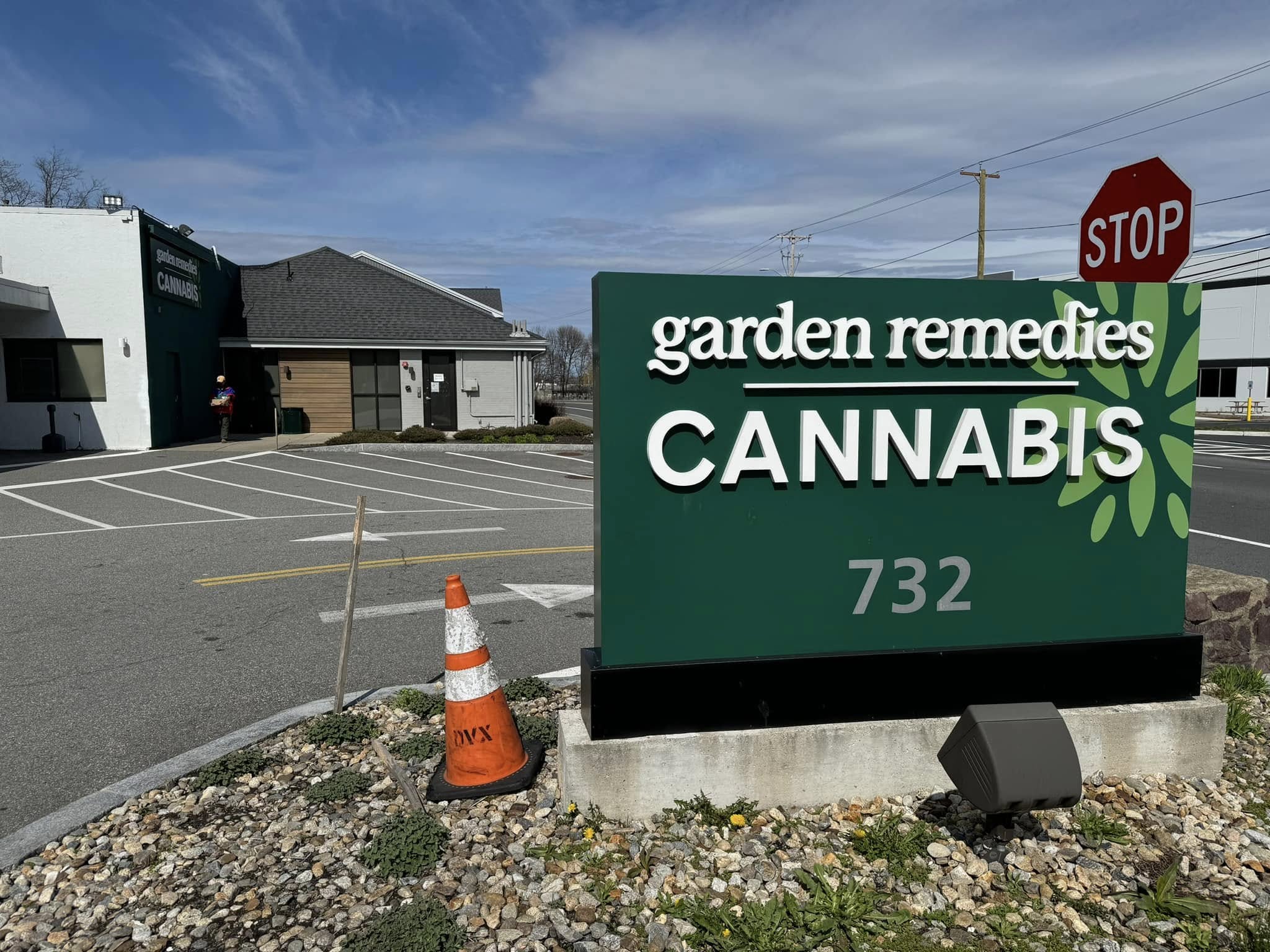
Photo Credit: Nancy Clover
Lewis noted that the passage of Question 8 would return Massachusetts to the legal situation before voters legalized marijuana in 2016, where medical marijuana would still be permitted and the possession of small amounts would not be a criminal offense, but most marijuana sales would likely return to the black market.
“Since 2016, a whole marijuana industry has developed in Massachusetts, and it is heavily regulated,” Lewis said. “Thousands of people work in the industry, it generates several hundred million dollars each year in state taxes, and more goes to cities and towns in local fees. It’s not clear what would happen to that whole industry if Question 8 passed. Other states have legalized marijuana, but no other state has subsequently repealed legalization, so we have no examples of what would happen.”
The Tufts Center for State Policy Analysis concluded on Question 8:
- Massachusetts is home to a relatively mature marijuana industry, generating billions of dollars in sales along with a limited but valuable amount of tax revenue for cities and the state.
- Marijuana use can have real, sometimes irreversible harms—especially for young people. Serious risks like addiction and psychosis are increasingly well-established by research.
- Eliminating recreational sales would likely reduce overall marijuana use. But it would also increase black market activity — and the policing necessary to curb it.
- While Question 8 explicitly allows for medical marijuana, the state currently lacks a robust system for licensing and overseeing that industry.
- No state has ever repealed marijuana legalization, so there's little real-world evidence for voters to lean on.
QUESTION 9 - Uphold the legislation, An Act Modernizing Firearm Laws (H. 4885), passed in 2024
A YES VOTE would keep in place the law, which increases the regulation of firearms, including ghost guns, machine guns, and assault-style weapons.
A NO VOTE would repeal this law.
Question 9 is an effort to repeal a gun control law the legislature passed in 2024. Because of the specific process involved in putting forward a ballot question to repeal a law, what the “Yes” and “No” votes mean may be confusing to voters.
“This is tricky because the ‘yes’ and ‘no’ votes are flipped,” Lewis said. “Under the state constitution, when the legislature passes a bill, residents can challenge that new law in a certain window of time. It happens very rarely, probably because people realize it’s an uphill battle even to get on the ballot. But occasionally a group decides to go for it.”
“Firearms are a contentious topic nationally,” he went on, “Massachusetts has long had stricter gun laws than most other states. We require gun owners to be licensed and trained, we regulate types of guns and the size of magazines, and many other things, and we periodically update our gun laws.”
Specifically, Lewis noted, the legislature regulated ghost guns (guns that are produced through 3D printing and do not possess the kind of identification that guns sold on the regular market do). “We were hearing from law enforcement and the Attorney General that they had no way of tracing where these guns came from.” The 2024 law also expanded red flag provisions, which allow the courts to take away guns from people who are deemed to be a threat to themselves or others.
“We have pretty strict gun laws here,” Lewis said, “and the reason we do, is it’s pretty popular. But there are some folks out there who are strong Second Amendment supporters and felt that law went too far, so they initiated the process to try to repeal it.”
The Tufts Center for State Policy Analysis concluded on Question 9:
- Unlike most ballot questions, "yes" on Question 9 is a vote for the status quo, keeping the 2024 law in place; "no" is a vote for change, reintroducing the pre-2024 rules.
- The 2024 law closed some genuine gaps in prior state rules, allowing Massachusetts to track home-assembled and other so-called "ghost guns" and adding school administrators, healthcare providers, and police officers to the list of people who can seek "red flag" orders removing guns from people who pose a risk.
- Lawful gun owners face some new obligations under the law, including registering all firearms with the state.
- If the 2024 law is repealed, Massachusetts would still have its former rules — already considered among the strictest in the country. The state would still require gun licenses and safety training, track firearm sales, and allow family-initiated red flag petitions, among other protections.
- It's too soon to know the full benefits and drawbacks of the 2024 law, but two forces limit the potential safety gains: Massachusetts already had relatively low levels of gun violence before 2024, and some provisions may not survive constitutional challenges.
Melrose voters will also see a non-binding Question 10 on their ballots. This will appear on the ballot for some state representative districts this year, including ours, and instructs the state representative (in our case, Leila Migliorelli) to vote to eliminate stipends for state legislators. This is an effort by Stipend Reform, which had attempted to introduce a statewide, binding ballot question that was declared unconstitutional. Question 10 would not place any requirements on Migliorelli, but would simply inform her of her constituents’ feelings on the matter.